
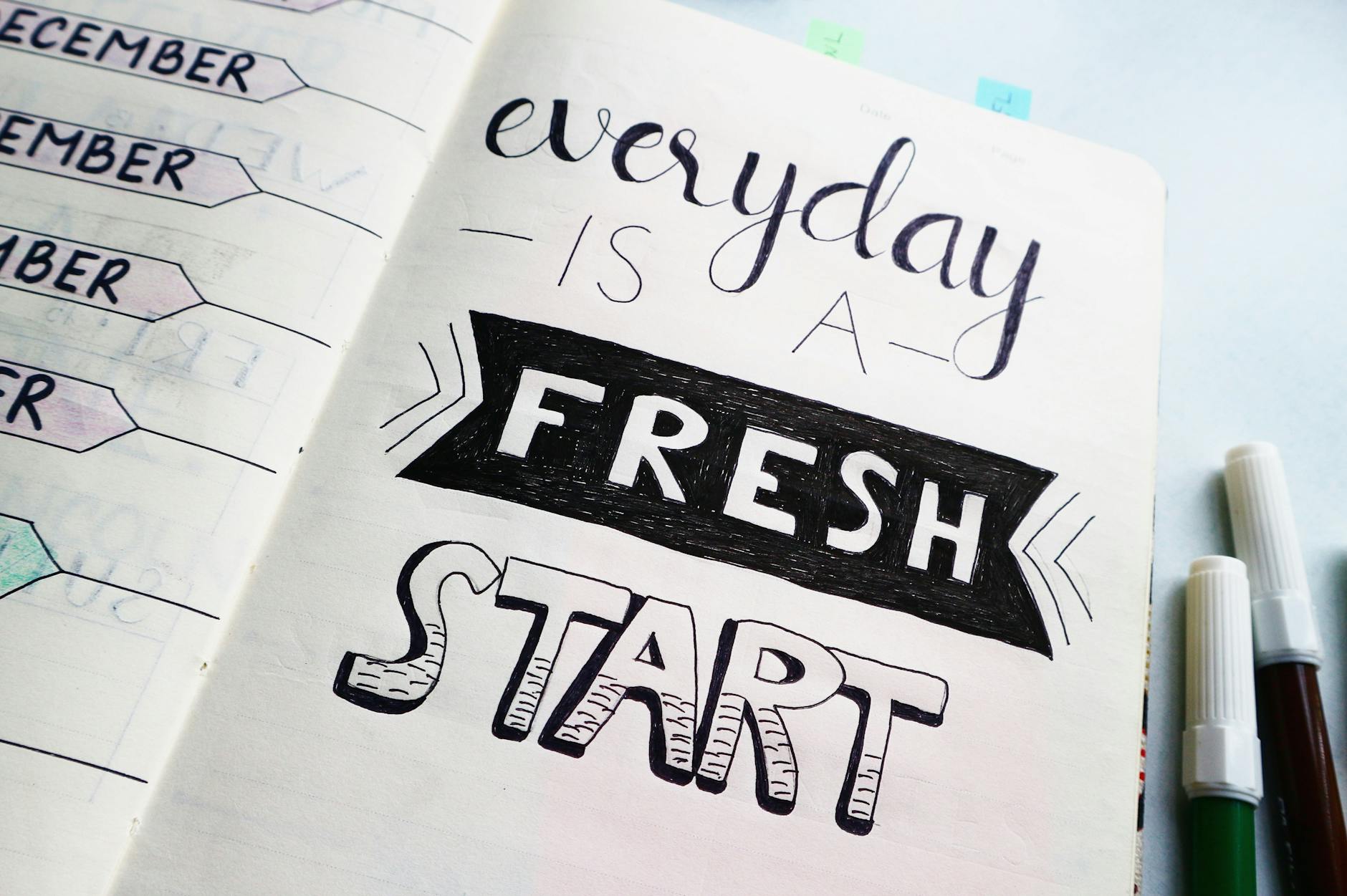
By now, nearly everyone has reluctantly returned to the daily grind, dragging themselves back into the rhythm of life as summer sprints away and we slowly fall into Fall.
If you’re anything like me, you’ve probably felt like a crazy person tying to juggle all the changes and new activities on the schedule 🌀 But achieving a stress-free schedule is possible, it just takes a little bit of strategy.
Here are 7 Strategies I find helpful for a Stress-Free Schedule:
1. Use A Planner or Digital Calendar or both!
- Visual Overview: Use color-coding to differentiate between types of tasks, such as personal, work, and school-related.
- Time Blocks: Allocate specific blocks of time for each task or event.
2. Prioritize Tasks
- Identify the Must-Do’s: List tasks that are essential. These are the things that can’t be pushed off to another week. Prioritize these.
- Delegate: Don’t hesitate to delegate tasks to others, if possible.
3. Prepare in Advance
- Night Before Prep: Prepare for the next day the night before. This includes laying out clothes, meal prepping, or simply reviewing your to-do list.
- Buffer for Big Events: For significant events, such as your wedding, finish major preparations at least a day or two in advance to avoid last-minute stress.
4. Time Blocking
- Become a time management guru and divvy up your day like a pro! Deliberately assign specific blocks of time to different tasks or categories of activities.
5. Break Down Large Tasks
- Small Steps: Break large tasks into smaller, manageable steps. This makes them less overwhelming.
- Set Mini-Deadlines: Assign deadlines for each task to stay on track.
6. Set Realistic Goals and Take Breaks
- Avoid Overloading: Don’t try to do too much in one day. Be realistic about what you can accomplish.
- Buffer Time: Allow some buffer time between tasks to handle any unexpected delays, like emails, phone calls, and kids.
- Regular Breaks: Schedule short breaks between tasks to rest and recharge. 20 minutes works for me.
7. Try to Limit Distractions
- Focus Time: Set aside specific times to focus solely on important tasks without interruptions.
- Notifications Off: Turn off non-essential notifications during these periods.
Finally, Review and Adjust
- End of Day Review: Take a few minutes at the end of each day to review what you accomplished and adjust your schedule for the next day as needed.
- Weekly Planning: Plan out your week ahead, but be flexible if things change.
By following these tips, you can create a schedule that helps you stay organized, reduces stress, and ensures you have time to enjoy your day.
Discover more from SHE'S BECOMING DOMESTIC
Subscribe to get the latest posts sent to your email.




Leave a Reply